







Nestled on the enchanting island of Cozumel, Jade Caverns offer a glimpse into the subterranean splendor that lies beneath Mexico’s lush tropical landscapes. My journey to these remarkable caves revealed a hidden world where nature’s artistry is on full display—the jade-green waters of the cenote, surrounded by intricate limestone formations, created an atmosphere of serene beauty. It’s a place that seems almost magical, secluded from the bustle of the island’s popular beach destinations.
As I trekked through Cozumel’s verdant forests, I realized that reaching Jade Caverns is an adventure in itself. The path to the caverns took me through the rich tapestry of the island’s natural foliage, setting the stage for the awe-inspiring sights awaiting underground. For adventure-seekers and nature enthusiasts alike, a visit to Jade Caverns is an essential stop when exploring Cozumel. It’s an opportunity to connect with the ancient geological history of this corner of Mexico while experiencing the visceral thrill of venturing off the beaten track.
- Jade Caverns is a serene, natural wonder beneath Cozumel’s forests.
- The journey to the caverns is an integral part of the adventure experience.
- Visitors have the chance to connect with Mexico’s geological history.
Exploring Jade Caverns
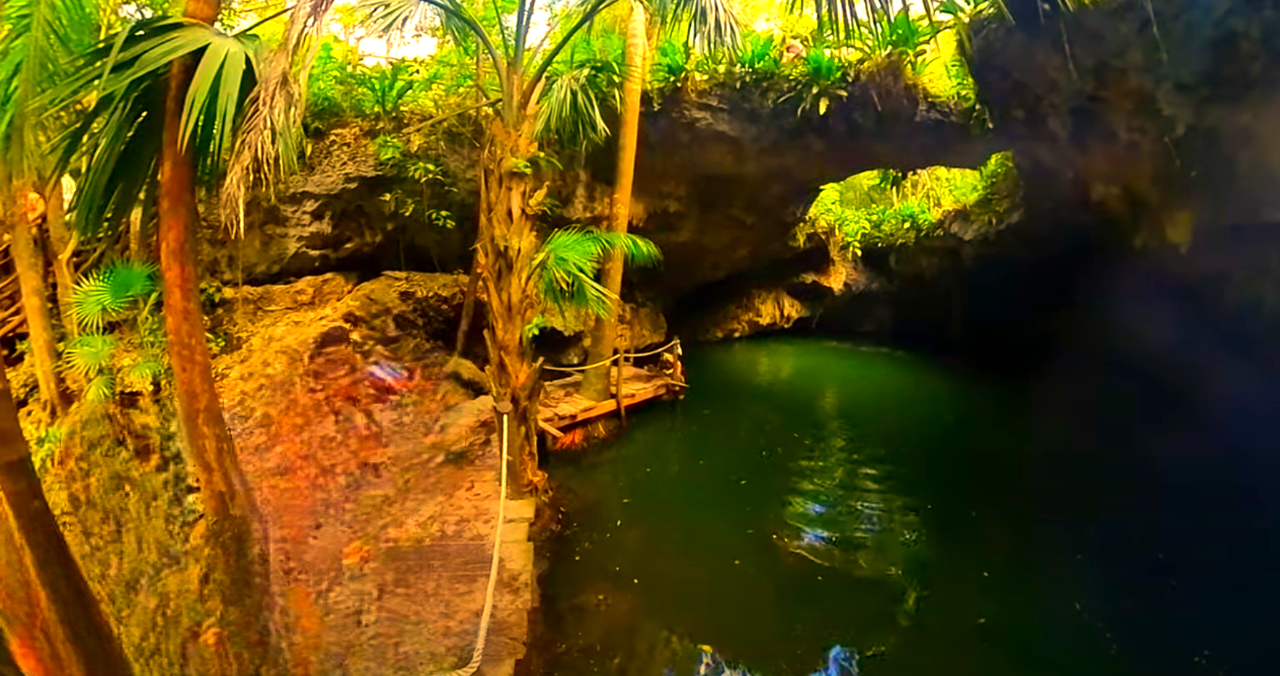
I’m excited to share my experiences of exploring the Jade Caverns, a unique natural wonder in Cozumel known for its stunning rock formations and crystal-clear waters. Here’s a glimpse into the adventures, natural features, and cultural significance of this incredible destination.
Tours and Adventures
I’ve found that guided tours are the best way to explore the caverns, especially during the morning when the wildlife is most active. Multiple tour operators offer ATV and Jeep excursions that take adventurers through the jungle to the Jade Cavern. Live guides are typically included, ensuring visitors not only enjoy the adventure but also learn about the area’s history and ecology. I’ve taken a few tours myself, and here are the various options:
- ATV Off-Road Adventure: Navigate through Cozumel’s lush jungles to Jade Cavern.
- Jeep Riding Tours: Combine a scenic drive with a stop at the caverns for snorkeling.
- Private Tours: Tailor the excursion with a personal guide, focusing on either adventure or cultural insights.
Wildlife and Natural Features
Jade Cavern is a cenote, or natural pit, featuring stalactites and stalagmites that have formed over millennia. The cavern is home to a diverse array of wildlife; it’s not uncommon to see bats fluttering within or fish and turtles swimming in the clear waters. During the rainy season, the ecosystem comes alive, with the surrounding jungle pulsating with the sounds of life. Here’s what to keep an eye out for:
- Marine Life: Marvel at the fish species visible beneath the jade-green water surface.
- Jungle Residents: Listen for the calls of birds and watch for other jungle creatures.
Cultural Connections
The Mayans hold the cenotes in great spiritual regard, often using them for ceremonial purposes. Near Jade Cavern, one can find remnants of Mayan culture, like the nearby ruins of San Miguel and El Cedral. A visit here offers a poignant reminder of the historical significance of the area. I’ve learned that the Mayans celebrated the goddess Ixchel, the deity of fertility and water, at these sites, which enhances my appreciation for the cavern’s cultural heritage.
By respectfully exploring these beautiful natural formations, we connect with both nature and the ancient Mayan culture, creating a truly meaningful experience.
Plan Your Visit
When I plan trips, I ensure I have all the necessary details to make the visit enjoyable and hassle-free. Jade Cavern in Cozumel is a unique attraction, offering a blend of adventure, cultural insight, and natural beauty. Here’s what to keep in mind:
Traveler Essentials
- Minimum Age: There might be age restrictions for certain activities, so always check in advance.
- Safety Gear: Equip yourself with comfortable clothing, sunscreen, sunglasses, hat, and a towel.
- Cash: Have some cash with you, as not every place may accept cards.
Activities and Facilities
- Snorkeling and Swimming: The crystal-clear waters of the cenotes invite you to explore underwater wonders. Snorkeling gear is often provided.
- ATV and Trails: Thrilling ATV rides are available, offering a chance to explore the rugged trails of Cozumel Island.
- Diving: For the more adventurous, diving experiences can take you deeper into the beauty of the caverns.
- Conservation: Participate in eco-friendly practices to help in the conservation of this natural wonder.
Shopping and Local Attractions
- Downtown San Miguel: A short drive away, where shopping and local culture can be enjoyed.
- Royal Village Shopping Mall: Offers a variety of shopping options for those looking to take souvenirs home.
- Tequila Tasting: Visit a tequila factory to learn about and taste this traditional Mexican spirit.
Getting There
- Ferry: Take a ferry to Cozumel Island from Playa del Carmen in Quintana Roo.
- Taxi or Rental: Once on the island, taxis or rental cars can be used to reach Jade Cavern.
- Tours: Providers like GetYourGuide offer organized tours with free cancellation policies and guides who speak English and Spanish.
Remember, planning ahead, respecting age restrictions, and being prepared for the climate and activities will ensure a memorable visit to Jade Cavern, Cozumel.
